
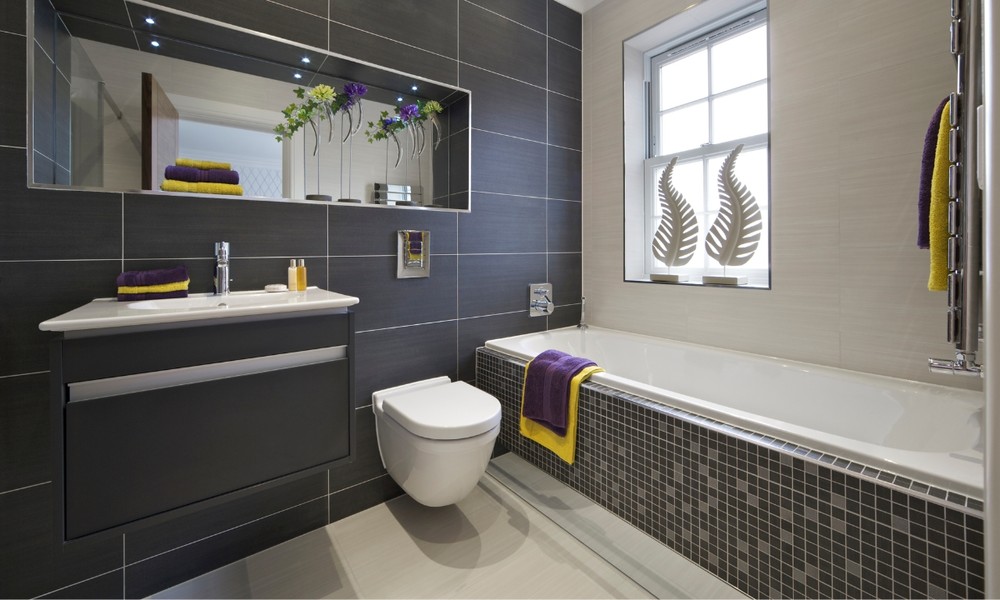
A single press on a toilet flush lever can waste gallons of fresh water, but the advent of dual flush technology has transformed what used to be one of the most inefficient fixtures in homes and businesses. Today, more people are discovering how this ingenious design saves both water and money, all while paving the way for sleeker, smarter bathrooms.
Early Innovations in Toilet Flushing Systems
Modern plumbing owes much to centuries of gradual improvements, but it wasn’t until water conservation became a household concern that real progress was made. As droughts and water shortages hit cities worldwide, the conversation shifted. People began to realize that every unnecessary flush exacted a toll on water reserves and utility bills.
The Rise of Water Conservation Awareness
Governments and environmental organizations started raising alarms in the late 20th century, revealing that toilets accounted for nearly 30% of indoor residential water use. This alarming figure made it clear: something had to change.
Initial Development of Dual Flush Mechanisms
The first dual flush system emerged in Australia in the 1980s, introducing a simple but revolutionary idea, a user could choose between a low-volume flush for liquid waste and a higher-volume flush for solids. The result was compelling: significant water savings without compromising hygiene.
How Dual Flush Technology Works
Dual flush toilets give users control over each flush cycle. A smaller button or lever triggers a partial flush, typically using 0.8 to 1.1 gallons per flush (GPF), while the full flush option uses about 1.6 GPF. Early models relied on basic mechanical separation, but continual improvements have made newer systems more intuitive and efficient.
Components and Design Variations Over Time
Originally, dual flush mechanisms were add-ons or retrofits for older toilets. Now, they’re integrated into the design, enabling better seal integrity and reduced leaks. Some advanced systems use pneumatic buttons, while others incorporate smart sensors for touchless operation. The evolution from clunky add-ons to sleek, built-in controls is as much about aesthetics as efficiency.
Evolution of Dual Flush Technology
With mounting pressure to conserve resources, manufacturers have made dual flush technology even more efficient. Where early models delivered modest savings, today’s premium options can reduce annual household water usage by thousands of liters.
Integration with Smart and Premium Toilet Systems
The landscape of bathroom design now features premium toilets that integrate dual flush technology with heated seats, bidet functions, and even automated lids. Brands like SERA and Valencia illustrate how cutting-edge features and sustainable technology can coexist, offering both luxury and responsibility.
Impact on Residential and Commercial Water Usage
The numbers speak for themselves. In cities that have widely adopted dual flush toilets, municipal water demand has dropped measurably. For example, retrofit programs in Australian cities cut per-capita daily water use by up to 25 liters. In commercial settings, the scale of savings multiplies.
Government Regulations and Incentives Supporting Adoption
Governments across North America offer rebates or mandate efficient fixtures in new construction. These policies accelerate the adoption of dual flush systems and encourage further innovation.
Modern Features Enhancing Dual Flush Toilets
Smart sensors now make it possible to trigger the appropriate flush automatically, removing user error from the equation. This not only boosts water efficiency but also reduces touchpoints for improved hygiene. Wall-hung and one-piece models, popular in urban condos, pair modern aesthetics with space-saving practicality. The Catania and Valentia lines, for example, combine dual flush technology with minimalist design in both matte black and marble-effect finishes.
Market Trends and Consumer Preferences
There’s been a marked uptick in demand for feature-rich, water-saving toilets in urban centers. Montreal serves as a prime example, where homeowners and designers favor contemporary styles that blend form and function. Showrooms spotlight smart and dual flush toilets as standard in luxury renovations.
Environmental and Economic Benefits
Switching to dual flush toilets quickly pays for itself. Homeowners save on water bills, sometimes cutting usage by over 10,000 liters annually. On a larger scale, cities benefit from reduced strain on treatment plants and infrastructure. This translates not only to cost savings but also to a lighter environmental footprint.
Future Directions in Dual Flush Technology
The future points toward even greater efficiency. Imagine dual flush toilets that communicate with smart home hubs, tracking water usage in real time or integrating with greywater recycling systems. Researchers are also exploring new flushing mechanisms that further minimize water use without sacrificing performance.
As the push for sustainability continues, dual flush technology stands as a tangible, effective solution, one that proves a small change in habit can have a massive impact on both our wallets and the world.