
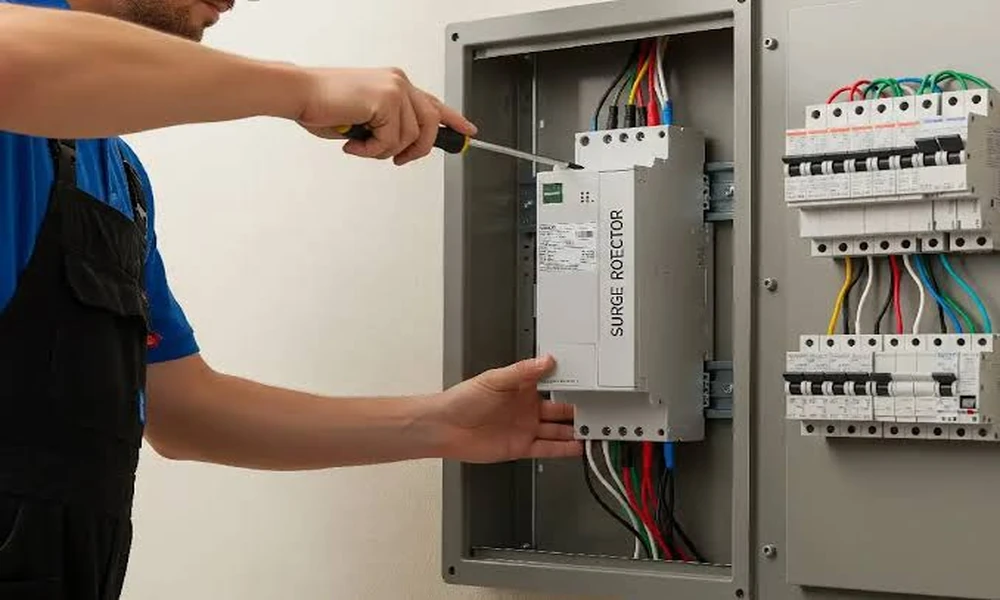
In our modern, technology-driven world, almost every aspect of our daily operations relies heavily on sensitive electronic equipment. From advanced industrial automation systems to basic household appliances, the uninterrupted flow of clean electricity is an absolute necessity. However, invisible threats continuously travel through our electrical grids, capable of destroying expensive hardware in a fraction of a second. Transient overvoltages, commonly known as power surges, represent one of the most severe risks to your investments.
These sudden spikes in voltage can degrade internal components over time or cause immediate, catastrophic equipment failure. To effectively safeguard your valuable electronics from these unpredictable electrical anomalies, integrating a specialized defense mechanism into your power infrastructure is no longer optional but mandatory. This is precisely where a high-quality surge protective device (SPD) becomes the essential frontline barrier, ensuring that harmful excess energy is safely managed before it can ever reach your delicate machinery.
Understanding the True Causes of Electrical Surges
While many people immediately associate electrical spikes with dramatic lightning strikes during severe thunderstorms, the reality is far more complex and originates from multiple unexpected sources. The vast majority of transient overvoltages are actually generated internally within your own facility or home. Every time high-power equipment like air conditioners, industrial motors, or elevators cycle on and off, they create significant electrical disturbances that ripple throughout the entire local circuit.
Furthermore, external factors such as utility grid switching, downed power lines, and routine transformer maintenance also introduce dangerous fluctuations into the incoming power supply. Without proper mitigation, these continuous micro-surges silently degrade the microchips inside your computers, servers, and smart appliances, drastically reducing their expected lifespan. Installing a precisely calibrated surge protective device (SPD) is the only proven method to intercept these volatile electrical events, stabilizing the flow of power and preventing premature degradation of your critical electronic assets.
The Operational Mechanics Behind Voltage Defense
To appreciate the vital role of this equipment, one must understand exactly how it reacts during a high-voltage event. Under normal operating conditions, the protection unit remains passive, allowing standard electrical currents to flow seamlessly to your connected devices without any interference. However, the moment the system detects a voltage spike that exceeds the designed safety threshold, the internal components react almost instantaneously. Using advanced metal oxide varistors or gas discharge tubes, the unit rapidly changes its state from a high-impedance insulator to a low-impedance conductor.
This sudden transformation creates an alternative, safe pathway for the dangerous excess energy. Instead of forcing its way into your sensitive electronics, the massive electrical surge is immediately shunted directly into the grounding system. Once the threat has successfully dissipated, the surge protective device (SPD) automatically resets to its normal monitoring state, ready to defend against the next unpredictable transient overvoltage without requiring any manual intervention.
Matching the Protection Class to Your Environment
Selecting the correct tier of protection requires a thorough assessment of your specific infrastructure and the physical location of the installation. Protection units are generally categorized into distinct classes based on their capacity to handle different magnitudes of electrical energy.
Type 1 units are heavy-duty defenders installed at the main service entrance, specifically engineered to withstand massive external surges, including direct lightning strikes.
Type 2 units are typically mounted at the sub-distribution electrical panels, serving as the primary defense against internal surges generated by heavy machinery within the building.
Type 3 units provide localized, point-of-use protection directly at the wall outlet, safeguarding individual sensitive electronics like computers and home theaters.
For a truly resilient electrical network, engineers strongly recommend implementing a cascaded approach that combines all three levels of defense. By deploying the appropriate class of surge protective device (SPD) at each stage of your electrical distribution system, you create an impenetrable, multi-layered shield that catches any residual energy that might slip past the main breaker.
Crucial Specifications for Making an Informed Decision
Beyond simply picking a protection class, you must carefully evaluate specific technical parameters to guarantee compatibility with your local power grid. The Maximum Continuous Operating Voltage is arguably the most critical specification, as it determines the highest voltage the unit can handle continuously without activating. If this rating is too close to your standard grid voltage, the unit might trigger prematurely and degrade faster; if it is too high, it may fail to react swiftly during a genuine surge.
Additionally, you must consider the nominal discharge current, which indicates the system’s durability and how many standard surges it can absorb before requiring replacement. A thorough evaluation of your facility’s grounding system is equally important, as these protectors rely entirely on a solid earth connection to function. Consulting with electrical engineering professionals before purchasing a surge protective device (SPD) ensures that all these technical variables are perfectly aligned, maximizing the lifespan of the protector and guaranteeing absolute safety for your equipment.
Now that you understand the mechanics and critical importance of guarding your electrical systems against unpredictable transient overvoltages, making the right investment is paramount. Ignoring the risk of power fluctuations is a gamble that inevitably leads to devastating hardware failures, lost data, and expensive operational downtime. Securing a reliable defense mechanism requires partnering with a trusted manufacturer that adheres to strict international engineering standards.
Chuphotic stands out as a leading expert in power quality solutions, offering a comprehensive range of premium electrical defense equipment engineered for optimal reliability. Their robust systems are meticulously designed to provide unparalleled protection for both industrial complexes and residential properties. If you are looking to secure your valuable electronics with an industry-certified surge protective device (SPD) (known in Thai as “อุปกรณ์ป้องกันไฟกระชาก“), Chuphotic delivers the ultimate peace of mind. By integrating their cutting-edge technology into your infrastructure, you ensure continuous, safe operations regardless of what anomalies strike your local electrical grid.