
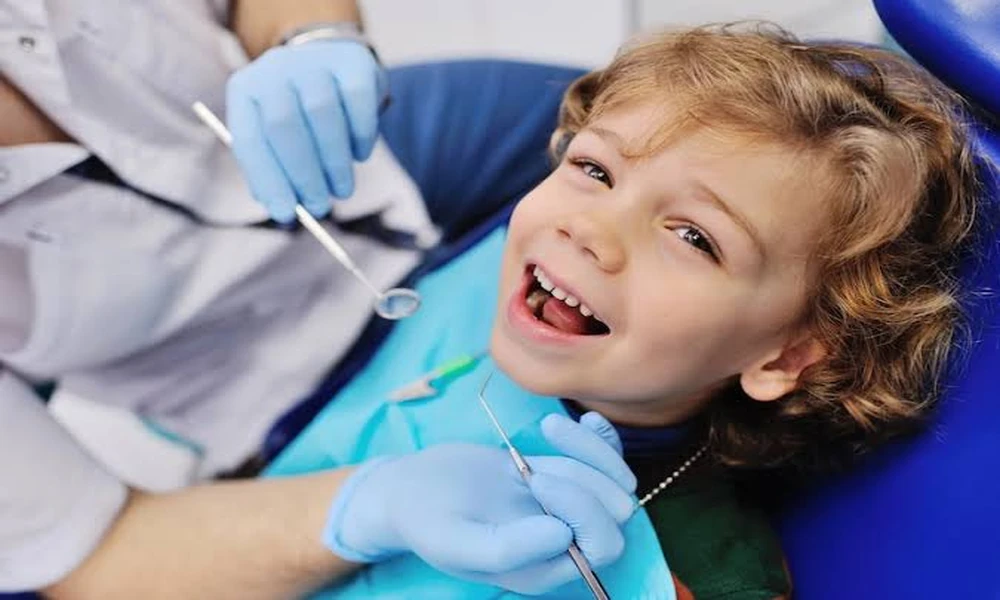
You brush, you try to floss, and you tell yourself you will book that appointment with a Springfield dentist soon. Then life gets loud. Work runs late, kids need rides, something hurts for a day and then stops, and dental care slips to the edge of the list again. A lot of people live there. You are not careless. You are juggling a lot, and oral health often feels easy to delay until there is a problem you cannot ignore.
That is exactly where a family dentist makes a difference. Good dental care is not only about fixing a cavity or cleaning your teeth once in a while. It is about following your health over time, catching small changes early, and helping every person in your household build habits that last. How Family Dentists Help Keep Oral Health On Track Over Time comes down to consistency, prevention, and care that fits real life.
Family dental care works best when it is steady, not rushed
Oral health changes slowly, then all at once. Plaque builds, gums get irritated, a small weak spot turns into decay, and something that could have been simple becomes expensive, painful, and hard to schedule around. That pattern is common because many dental problems do not cause clear symptoms at first.
A family dentist sees the bigger picture. They track your cleanings, exams, X rays when needed, gum health, bite changes, and repair work over the years. That history matters. A one time visit at an unfamiliar office can treat the issue in front of you. An ongoing relationship can spot patterns before they become bigger trouble.
Adults often assume they only need to go in when something feels wrong. The numbers tell a different story. According to the CDC, about 1 in 4 adults ages 20 to 64 has untreated dental caries, which means untreated tooth decay. You can review that data here: CDC data on untreated dental caries in adults. Decay does not always announce itself early, and that is one reason regular care matters so much.
A family dentist helps prevent small problems from becoming big ones
You might notice a little bleeding when you brush and think it is no big deal. You might chew on one side because the other side feels sensitive. You might put off an exam because you are worried about cost, then end up needing more treatment later. This is where long term oral health care really earns its value.
Routine visits usually include a professional cleaning and a dental exam that checks for decay, gum issues, infection, and other concerns. MedlinePlus explains what happens during a dental exam, including the parts of the visit that help find problems early. Early care is usually simpler, less invasive, and easier on your budget.
There is also the family side of family dentistry. Kids learn by watching. If dental visits are normal in your home, children are more likely to see oral care as part of life, not a punishment after a problem starts. Teens often need support with braces, sports mouthguards, wisdom teeth planning, or just staying consistent when routines get messy. Adults may need help managing grinding, gum recession, crowns, or dry mouth. Older relatives may need denture care or monitoring for root decay. One office that knows your family can connect those needs instead of treating each one like a separate story.
At home care and professional dental care do different jobs
Brushing and flossing matter every day, but they do not replace professional care. Home care controls plaque and helps protect your teeth between visits. A family dentist checks what you cannot see well on your own and removes hardened buildup that brushing cannot handle.
| At Home | With a Family Dentist |
|---|---|
| Brushing twice a day helps remove plaque from tooth surfaces. | Professional cleanings remove tartar and reach areas that are hard to manage at home. |
| Flossing helps clean between teeth and reduce gum irritation. | Exams can catch cavities, gum disease, bite issues, and worn dental work early. |
| You can notice pain, bleeding, or sensitivity when symptoms become obvious. | A dentist can find early changes before they become painful or costly. |
| Daily habits support fresh breath and lower risk. | Personal guidance helps adjust care for age, health conditions, and past dental history. |
The CDC also offers oral health tips for adults that support what happens in the dental chair. The strongest results usually come from both sides working together. That is the practical value of family dental care. It is not either home care or office care. It is both, done consistently.
Family dentistry supports health, comfort, and cost control over time
People often think of the dentist as separate from the rest of the body, but your mouth does not work that way. Gum disease, infection, pain, and tooth loss can affect eating, sleep, speech, confidence, and day to day comfort. When you ignore oral health long enough, it tends to spill into the rest of life.
There is also the money side. Preventive care usually costs less than emergency treatment, root canals, extractions, or replacing missing teeth. A regular relationship with a family dentist can help you plan care in stages, understand what needs attention now, and avoid the shock of a crisis visit. That kind of planning matters for families trying to stretch every dollar.
Three steps you can take right away
1. Put dental visits on the calendar before there is a problem. If you wait for pain, you are already behind the issue. Schedule routine care for yourself and your family like you would any other health appointment.
2. Track the small signs you have been brushing off. Bleeding gums, bad breath that lingers, sensitivity, jaw soreness, and avoiding one side when you chew all mean something. Write them down so you can bring them up during your visit.
3. Make home care simpler, not perfect. Brush twice a day with fluoride toothpaste, floss once a day, and replace your toothbrush regularly. Consistency beats overthinking. A family dentist can fine tune the rest.
Steady dental care makes the next year easier than the last
You do not need to overhaul your whole routine in one week. You need a steady plan, a trusted family dentist, and regular follow through. That is how oral health stays on track over time. Small visits, caught early, are easier than big repairs done late. The goal is not perfection. The goal is fewer surprises, less stress, and a healthier mouth for every stage of life.
If dental care has been sitting in the back of your mind, this is a good time to move it forward and schedule your next visit.